
Reviewed by the COOLVIAL Editorial Team — specialists in insulin storage for Indian climate conditions.
Embarking on a long bus journey in India requires careful planning, especially if you manage diabetes and rely on insulin. The primary challenge is maintaining insulin at its optimal temperature without constant refrigeration, as insulin begins to lose its potency when exposed to temperatures above 30°C. This guide will show you exactly how to pack insulin for a long bus journey in India without a fridge, ensuring your medication remains safe and effective throughout your travels. We’ll explore practical strategies, India-specific considerations, and modern solutions to empower you to travel confidently across the country, from the bustling streets of Mumbai to the serene landscapes of Himachal Pradesh, all while keeping your insulin protected.
Table of Contents
- The Challenge of Insulin Storage on Indian Bus Journeys
- Understanding Insulin Stability: Core Principles for Travel
- 10 Proven Ways to Pack Insulin for a Long Bus Journey in India Without a Fridge
- Navigating India’s Diverse Climates and Travel Realities
- The Smart Solution for Insulin Travel: Introducing COOLVIAL
- Essential Travel Checklist and Frequently Asked Questions for Diabetics
- Conclusion
The Challenge of Insulin Storage on Indian Bus Journeys
Traveling across India, especially by bus, presents unique challenges for individuals with diabetes who need to keep their insulin cool. Unlike train journeys where one might find a pantry car or accessible power outlets, long bus routes, particularly in remote areas or during overnight travel, rarely offer refrigeration facilities. India’s vast and diverse climate, ranging from scorching summers in Rajasthan and Delhi where temperatures can exceed 45°C, to humid monsoons, further complicates insulin storage.
The stability of insulin is paramount. Unopened insulin vials or pens must be stored in a refrigerator, typically between 2°C and 8°C. Once opened, most insulin can be kept at room temperature (below 25°C to 30°C, depending on the specific type) for up to 28 days (Source: ICMR Guidelines for Diabetes). However, India’s ambient temperatures often soar well above this “room temperature” threshold, especially in cities like Chennai, Kolkata, and Ahmedabad during peak summer. This means that simply carrying insulin in your regular bag is not an option for long bus journeys.
According to the International Diabetes Federation (IDF), India had 101 million diabetics in 2023, making it a country with one of the highest diabetes burdens globally. Many of these individuals travel frequently for work, family, or leisure, making reliable insulin storage solutions a critical need. The risk of insulin losing its efficacy due to heat exposure is real and can lead to dangerously high blood sugar levels, impacting health and travel plans. Power cuts, common in many parts of India, particularly in rural areas, also mean that even if you start with refrigerated insulin, maintaining its cool temperature requires robust, independent solutions. This is why understanding how to pack insulin for a long bus journey in India without a fridge is not just convenient, but absolutely essential for safe travel.
| Condition | Ideal Temperature | Risk of Exceeding Temp |
|---|---|---|
| Unopened Insulin | 2°C to 8°C (refrigerated) | Loss of potency, spoilage |
| Opened Insulin | 15°C to 25°C (room temp) | Accelerated degradation, reduced effectiveness |
| Critical Threshold | Above 30°C | Rapid degradation, insulin becomes ineffective |
Understanding Insulin Stability: Core Principles for Travel
Before diving into specific packing methods, it’s crucial to understand why insulin temperature management is so critical. Insulin is a protein, and like many proteins, its structure is sensitive to extreme temperatures. Both excessive heat and freezing can damage its molecular integrity, rendering it less effective or completely useless.
Ideal Storage Temperatures
- Unopened Insulin: For maximum shelf life, unopened insulin vials, pens, or cartridges should always be stored in a refrigerator, ideally between 2°C and 8°C. This temperature range ensures the insulin maintains its full potency until its expiry date.
- Opened Insulin: Once an insulin vial or pen is opened and in use, it can generally be stored at room temperature, typically between 15°C and 25°C, for up to 28 days. Some specific insulin types might allow for storage up to 30°C or for a slightly longer duration (e.g., 42 days or 6 weeks for certain pens), but always check the manufacturer’s specific guidelines. This period is often shorter than the chemical shelf life, as it accounts for potential bacterial contamination after opening.
Risks of Temperature Excursions
- Heat Exposure: Exposure to temperatures above 30°C can quickly degrade insulin. High heat causes the protein molecules to break down, leading to a loss of potency. This means that even if the insulin looks normal, it might not be delivering the full dose, leading to elevated blood sugar levels. Symptoms of degraded insulin include changes in color (cloudiness, discoloration), clumping, or crystallization. However, sometimes degraded insulin may show no visible changes.
- Freezing: Insulin should never be frozen. If insulin freezes, even partially, its molecular structure is compromised, and it will lose its effectiveness. Freezing can occur if insulin is placed directly on ice without proper insulation or if temperatures drop significantly, which might happen in air-conditioned buses during overnight travel in colder regions. If insulin has frozen, it must be discarded, even if it appears to thaw back to normal.
- Temperature Fluctuations: Frequent and drastic changes in temperature can also negatively impact insulin stability, even if it doesn’t reach extreme heat or freezing points. Consistent temperature is key.
Understanding Insulin Types and Their Sensitivities
Different types of insulin (e.g., rapid-acting, short-acting, intermediate-acting, long-acting, pre-mixed) may have slight variations in their temperature sensitivities and recommended shelf life after opening. Always consult the information leaflet provided with your specific insulin product and discuss your travel plans with your doctor or pharmacist. They can offer personalized advice based on your insulin regimen and the duration of your journey. Knowing these core principles is the foundation for successfully figuring out how to pack insulin for a long bus journey in India without a fridge.
10 Proven Ways to Pack Insulin for a Long Bus Journey in India Without a Fridge
Preparing for a long bus journey in India requires a strategic approach to keep your insulin safe. Here are 10 proven methods and tips to ensure your medication remains effective, even without a refrigerator.
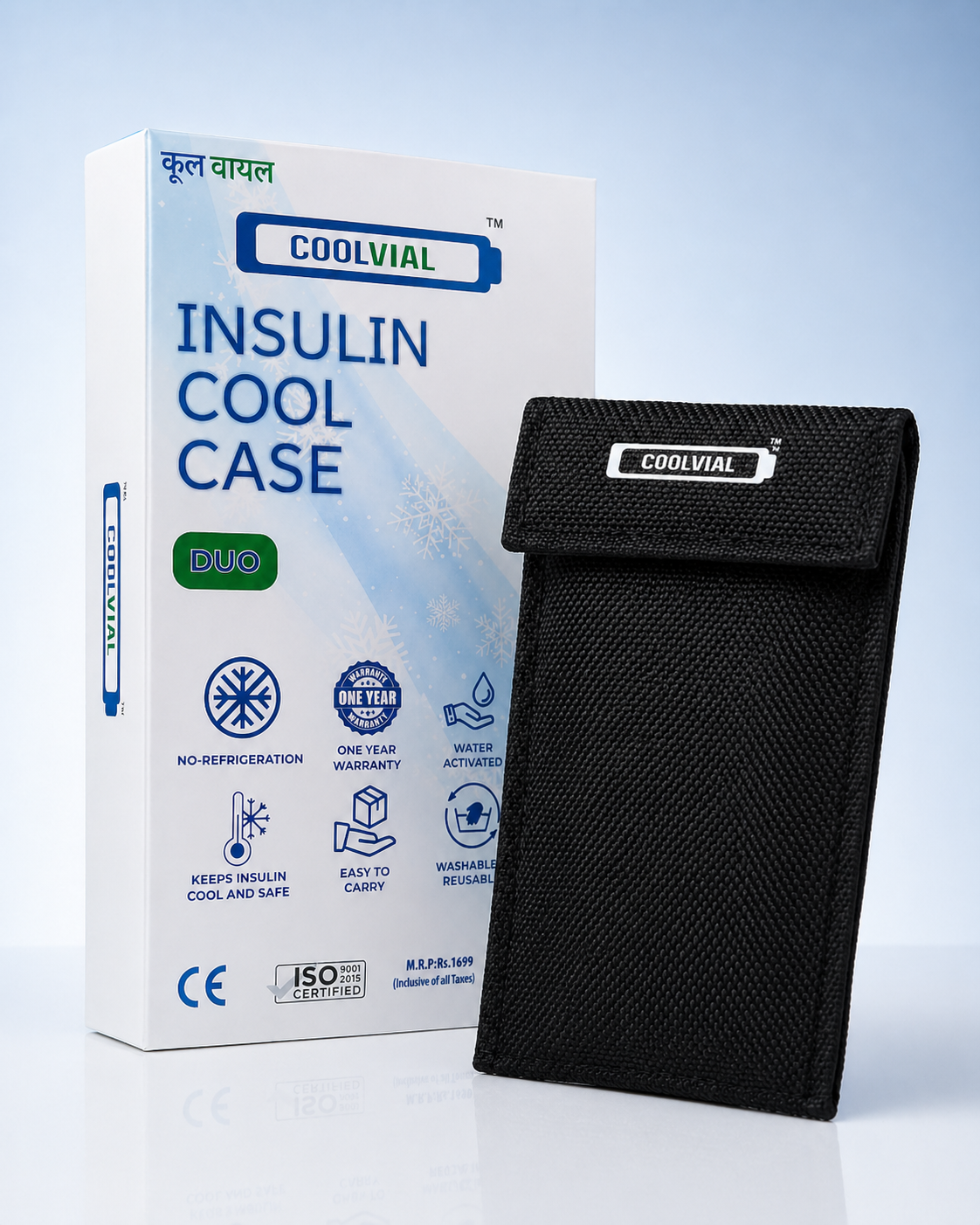
- Invest in a High-Quality Insulin Cool Case: This is by far the most reliable method. A well-designed insulin cool case, like the COOLVIAL insulin cool case, uses specialized gel packs or evaporative cooling technology to maintain a stable temperature (typically 2-8°C or 15-25°C) for extended periods, often up to 48 hours or more. These cases are specifically engineered for medical transport and are superior to regular insulated bags. Look for cases that are durable, compact, and easy to activate (e.g., by soaking in water or freezing gel packs).
10 Proven Ways to Pack Insulin for a Long Bus Journey in India Without a Fridge
Keep your insulin safe in India's extreme heat. COOLVIAL works for 48+ hours without electricity.
-
Utilize Frozen Gel Packs (Not Ice): If using a cooler bag or an insulin cool case, always opt for frozen gel packs instead of loose ice. Ice melts, creating water that can damage insulin vials or pens, and direct contact with ice can cause insulin to freeze. Gel packs provide consistent cooling without the mess or risk of freezing. Ensure the gel packs are thoroughly frozen before starting your journey. Wrap insulin vials in bubble wrap or cloth before placing them near gel packs to prevent direct contact and potential freezing.
-
Use a Frio Wallet (Evaporative Coolers): Frio wallets are an excellent option, especially for longer journeys in dry, hot climates. They work by evaporation. You simply activate them by soaking them in water for a few minutes, and they absorb the water into crystals that slowly evaporate, keeping the insulin cool for several days. They do not require refrigeration or ice packs and can be reactivated by re-soaking. They are lightweight and discreet, making them ideal for carrying insulin pens and vials.
-
Employ a Vacuum-Insulated Flask: A good quality vacuum-insulated flask (thermos) can serve as a temporary cooler.
- Method: Chill the flask in a refrigerator overnight. Before packing, place a small, chilled gel pack or a few ice cubes (wrapped in a cloth to prevent direct contact) at the bottom. Then, place your wrapped insulin vials/pens. Fill any remaining space with cotton or soft cloth to minimize air circulation. The vacuum insulation helps maintain the cold temperature for several hours. This method is less reliable for very long journeys but can work for 6-8 hours.
-
Pack Insulin in Your Carry-On Luggage: Always keep your insulin with you in your carry-on bag, not in checked luggage or the bus’s main storage compartment. The luggage hold can experience extreme temperatures (both hot and cold) and rough handling. Keeping it with you allows you to monitor its condition and protect it from direct sunlight or heat sources within the bus.
-
Insulate with Layers: If you don’t have a specialized cool case, create layers of insulation.
- Method: Start with a small, insulated lunch bag. Place chilled gel packs at the bottom and sides. Wrap your insulin vials/pens in several layers of cloth, bubble wrap, or a small towel. Place them in the center of the bag, surrounded by more insulation. This creates a buffer against external temperatures.
-
Avoid Direct Sunlight and Heat Sources: Within the bus, choose a seat away from direct sunlight streaming through windows. Avoid placing your insulin bag near engine vents, the bus’s heating system, or any other source of heat. The floor or under your seat, away from direct light, can often be cooler spots.
-
Carry an Adequate Supply, Plus Extra: Always carry more insulin than you anticipate needing for your journey, plus a few days’ extra supply. This accounts for unexpected delays, lost luggage, or insulin spoilage. It’s also wise to carry a prescription from your doctor, detailing your insulin type and dosage, in case you need to purchase more or explain your medication at a security checkpoint.
-
Monitor Temperature (If Possible): For critical journeys, consider carrying a small, travel-sized thermometer or a temperature indicator strip in your insulin storage bag. This allows you to visually check if the temperature inside your storage solution is staying within the safe range.
-
Pre-Cool Everything: Before you start packing, ensure your insulin is already at its ideal temperature (refrigerated if unopened, or cool room temperature if opened). Chill your cool case or insulated bag components (gel packs, thermos) thoroughly overnight. Starting with everything as cold as possible will extend the effective cooling time.
By diligently following these strategies, you can significantly mitigate the risks associated with how to pack insulin for a long bus journey in India without a fridge, ensuring your vital medication remains potent and ready for use.
Navigating India’s Diverse Climates and Travel Realities
India’s geographical and climatic diversity is immense, and these variations directly impact insulin storage needs during bus travel. Understanding the specific challenges posed by different regions and seasons is key to successful preparation.
Regional Climate Considerations
- North India (Summer: Delhi, Uttar Pradesh, Rajasthan): Summers here (April to June) are notoriously hot, with daytime temperatures frequently exceeding 40°C and often touching 45-48°C. Humidity is generally lower than in coastal areas, but the dry heat is relentless. For bus journeys through these regions, robust active cooling solutions like advanced insulin cool cases or Frio wallets are indispensable. Passive insulation alone will not suffice for long durations.
- Coastal Regions (Mumbai, Chennai, Kolkata, Kerala): These areas experience high humidity year-round, especially during monsoons (June to September). While temperatures might not reach the extremes of North India’s dry heat, the combination of heat and humidity can make it feel much hotter and can accelerate insulin degradation. Evaporative coolers like Frio wallets work exceptionally well in dry heat but might be less effective in very high humidity. Here, a well-sealed, high-performance insulated cool case with gel packs is often the best choice.
- Central India (Madhya Pradesh, Maharashtra): Similar to North India, these regions experience hot summers. Bus travel can be long, traversing vast distances. Planning for continuous cooling for 12-24 hours is crucial.
- Northeast India (Assam, Meghalaya): This region is known for its heavy rainfall and high humidity. While temperatures are generally milder than the plains, the persistent dampness and moderate heat still pose a risk to insulin. Waterproofing your insulin storage is as important as cooling here.
- Hilly Regions (Himachal Pradesh, Uttarakhand, Jammu & Kashmir): While higher altitudes offer cooler temperatures, bus journeys can involve unpredictable weather changes. During winter months, temperatures can drop below freezing, posing a risk of insulin freezing. Ensure your cool case provides adequate insulation against both heat and extreme cold.
Indian Travel Realities
- Bus Types and Amenities: Buses in India vary widely, from basic state-run services to luxury private coaches with air conditioning. Even AC buses might not maintain consistently cool temperatures, especially during stops or if the AC struggles in extreme heat. Non-AC buses offer no respite from the external climate. Always assume no refrigeration will be available.
- Road Conditions and Delays: Indian roads can be unpredictable, leading to unexpected delays. Traffic jams, road construction, or mechanical breakdowns are common. Your insulin storage solution must be capable of extended performance beyond your estimated travel time.
- Power Cuts: While not directly affecting bus travel, frequent power cuts in homes and hotels mean you might not be able to refreeze gel packs or recharge electronic coolers easily at your origin or destination. This reinforces the need for solutions that offer long cooling durations or are easily rechargeable without electricity (like Frio wallets).
- Festival Travel: During major festivals like Diwali, Holi, or Durga Puja, buses are often overcrowded, and travel times can be significantly longer due to increased traffic. Planning ahead and securing reliable insulin storage is even more critical during these peak travel periods.
Considering these diverse factors, a one-size-fits-all approach to insulin storage won’t work. By understanding your specific route, the time of year, and the typical conditions in those regions, you can make an informed decision on how to pack insulin for a long bus journey in India without a fridge effectively.
10 Proven Ways to Pack Insulin for a Long Bus Journey in India Without a Fridge
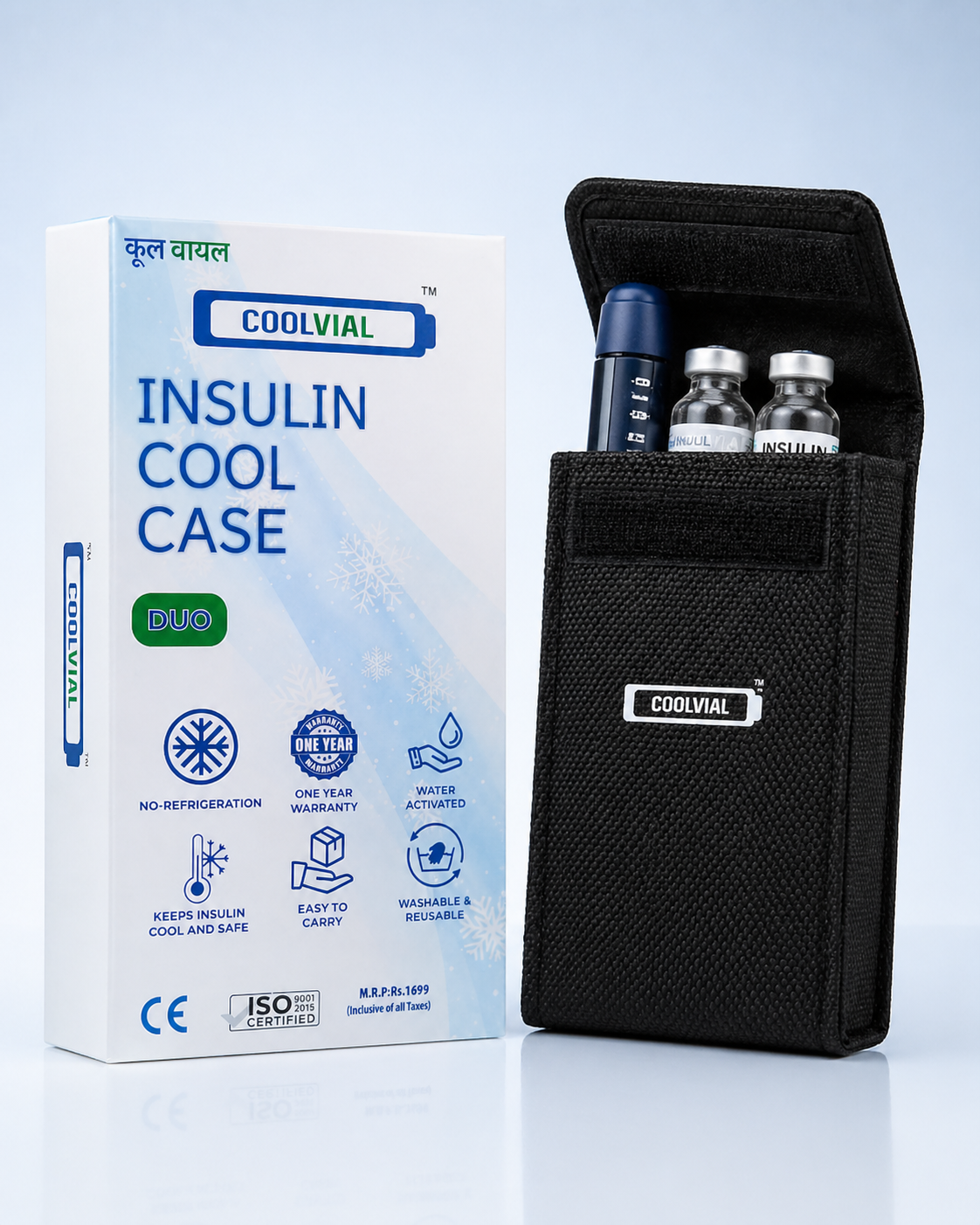
Don't let Indian heat spoil your insulin. COOLVIAL protects it for 48+ hours.
10 Proven Ways to Pack Insulin for a Long Bus Journey in India Without a Fridge
COOLVIAL keeps insulin safe in India's heat. 48+ hours, no electricity needed.
The Smart Solution for Insulin Travel: Introducing COOLVIAL
When faced with the unique challenges of keeping insulin cool during long bus journeys across India, a specialized solution becomes not just an option, but a necessity. This is where COOLVIAL steps in, offering a reliable and practical answer to the question of how to pack insulin for a long bus journey in India without a fridge.
COOLVIAL insulin cool cases are designed with the Indian traveler in mind, combining robust cooling technology with portability and durability. They are engineered to protect your vital medication from the harsh Indian climate, whether it’s the scorching summer heat of Rajasthan or the humid monsoons of Kerala.
Key Features and Benefits of COOLVIAL Cool Cases:
- Extended Cooling Duration: Our cases are built to maintain optimal temperatures (typically 2°C to 8°C or 15°C to 25°C, depending on the model and external conditions) for up to 48 hours, often even longer. This extended duration provides peace of mind for even the longest bus routes, including overnight journeys from Bengaluru to Hyderabad or Delhi to Jaipur.
- Advanced Gel Pack Technology: COOLVIAL cases utilize high-performance, non-toxic gel packs that provide stable and consistent cooling without the risk of freezing your insulin or creating messy condensation like ice. These gel packs are easily freezable in any standard freezer and are reusable, making them an economical and eco-friendly choice.
- Superior Insulation: Each COOLVIAL case features multi-layered thermal insulation that creates a robust barrier against external heat, ensuring the internal temperature remains stable. This insulation is crucial for combating India’s extreme ambient temperatures.
- Compact and Portable Design: We understand that luggage space on Indian buses can be limited. COOLVIAL cases are designed to be compact and lightweight, easily fitting into your carry-on bag or backpack. Their discreet design also ensures privacy for your medical supplies.
- Durable Construction: Built to withstand the rigors of travel, COOLVIAL cases are made from high-quality, durable materials that protect your insulin vials or pens from impacts and external pressure during bumpy bus rides.
- User-Friendly: Simple to use, our cases require minimal preparation. Just freeze the gel packs, insert them into the case, and place your insulin. No complicated electronics or power sources are needed, which is ideal for areas prone to power cuts.
Compared to makeshift solutions like wrapping insulin in wet cloths or relying on basic insulated lunch bags, a COOLVIAL case provides a professionally engineered and tested method for safeguarding your insulin. It offers consistent performance, reducing the anxiety associated with temperature control while traveling.
With a COOLVIAL insulin cool case, you gain the freedom to travel confidently, knowing your insulin is protected, regardless of the journey’s length or the external climate. It’s an indispensable tool for anyone who needs to manage their diabetes effectively while exploring the vibrant tapestry of India. For more details on our products and how they can help you travel safely, explore our range of COOLVIAL insulin cool case options.
Essential Travel Checklist and Frequently Asked Questions for Diabetics
Preparing thoroughly is key to a stress-free journey when managing diabetes on the go. This checklist and FAQ section will help you cover all bases for your next bus trip in India.
Pre-Journey Checklist for Insulin-Dependent Travelers
- Consult Your Doctor: Discuss your travel plans, duration, and destination with your doctor. Ask for a written prescription and a letter explaining your need for insulin and needles, especially if traveling internationally or through varied states.
- Insulin Supply: Pack at least 1.5 to 2 times the amount of insulin you expect to need for your trip, accounting for potential delays or emergencies.
- Insulin Cool Case: Ensure your chosen cool case (e.g., COOLVIAL) is clean, functional, and that its gel packs are thoroughly frozen or activated as per instructions.
- Other Diabetes Supplies:
- Blood glucose meter, test strips, lancets, and lancing device.
- Extra batteries for your meter.
- Alcohol wipes.
- Sharps container (travel-sized) for used needles.
- Glucagon emergency kit (if prescribed).
- Fast-acting glucose (glucose tablets, candies, juice boxes) for hypoglycemia.
- Any other oral medications for diabetes.
- Identification: Carry your diabetes identification card or medical alert bracelet.
- Snacks and Water: Pack non-perishable snacks and adequate water, as bus stop options might be limited or unhygienic.
- Hand Sanitizer: Essential for hygiene, especially before injections and blood tests.
- Emergency Contacts: Keep a list of emergency contacts, including your doctor, readily accessible.
- Knowledge of Insulin Storage Tips: Re-familiarize yourself with general insulin storage tips to ensure optimal handling throughout your journey.
Frequently Asked Questions
Q: What happens if my insulin gets too hot during the bus journey? A: If insulin is exposed to temperatures above 30°C for an extended period, it can degrade and lose its potency, meaning it won’t lower your blood sugar effectively. You might notice changes in blood sugar levels, or the insulin itself might appear cloudy or discolored. Always monitor your blood sugar closely if you suspect insulin degradation and use a fresh vial if necessary.
Q: Can I use ice cubes in a regular thermos to keep insulin cool? A: While a thermos provides some insulation, using loose ice cubes is not recommended. Melting ice can create water that might damage insulin vials or pens, and direct contact with ice can cause insulin to freeze, which also renders it ineffective. It’s best to use frozen gel packs wrapped in cloth or a specialized insulin cool case for consistent and safe cooling.
Q: How long can insulin stay out of the fridge once opened? A: Once opened, most insulin vials or pens can be kept at room temperature (below 25°C to 30°C) for up to 28 days. However, this duration can be significantly shortened in hot climates like India’s, where ambient temperatures often exceed this range. Always check your specific insulin’s manufacturer guidelines, and consider a cool case for opened insulin on the go.
Q: Is it safe to carry insulin through airport security for bus travel that involves a flight? A: Yes, insulin and diabetes supplies are permitted in both carry-on and checked luggage. However, always carry insulin in your carry-on to protect it from extreme temperatures in the cargo hold. Inform security personnel about your medical supplies. It’s advisable to have a doctor’s note, especially for syringes and needles, to avoid any misunderstandings.
Q: What if I lose my insulin or cool case during my bus journey in India? A: Always carry an extra supply of insulin and other critical supplies. Keep your doctor’s prescription and contact information handy. In case of loss, immediately contact your doctor for a new prescription and identify the nearest pharmacy or hospital along your route that can assist. Having a backup plan is crucial for managing unexpected situations.
Conclusion
Traveling with diabetes in India, especially on long bus journeys without access to refrigeration, requires thoughtful preparation and reliable solutions. The vibrant landscapes and cultural experiences that India offers should be accessible to everyone, and managing your health effectively is the key to enjoying these journeys without worry. By understanding the critical importance of insulin temperature stability and employing the right strategies, you can ensure your medication remains potent and effective throughout your travels.
From choosing the right insulated cool case to being aware of India’s diverse climatic conditions, every step in preparing how to pack insulin for a long bus journey in India without a fridge contributes to your peace of mind. Solutions like the COOLVIAL insulin cool case provide a proven and practical way to protect your insulin, offering extended cooling and durability tailored to the unique demands of Indian travel. Don’t let the challenge of insulin storage deter you from exploring this incredible country. Equip yourself with the knowledge and tools to travel safely and confidently.
Take control of your diabetes management on the go. Secure your COOLVIAL insulin cool case today and embark on your next adventure with confidence. You can easily order your buy COOLVIAL at ₹1,099 via WhatsApp by messaging us at wa.me/918766952300. Safe travels!
10 Proven Ways to Pack Insulin for a Long Bus Journey in India Without a Fridge
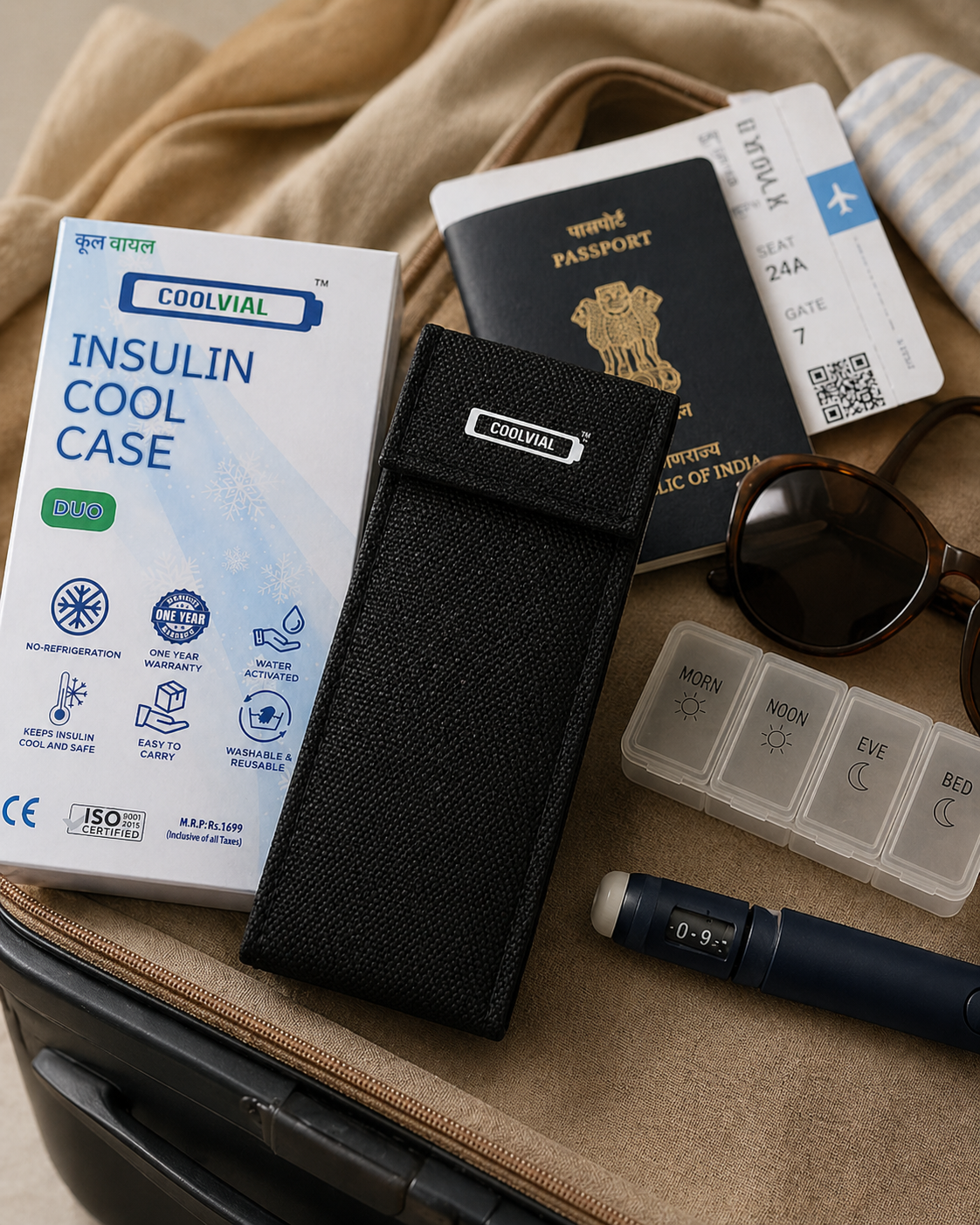
Keep your insulin safe in India's extreme heat. COOLVIAL works for 48+ hours without electricity.
10 Proven Ways to Pack Insulin for a Long Bus Journey in India Without a Fridge
Insulin at 2-8°C for 48+ hours. Trusted by 10,000+ Indian diabetics.